Park Slope Dispensary vs. Smoke Shops: Understanding the Differences and Benefits

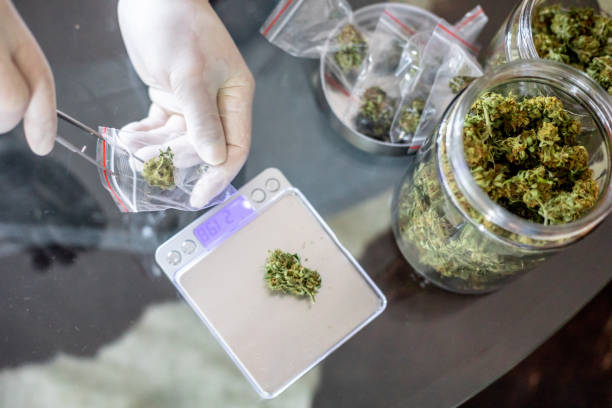
Pharmacist Weighing Cannabis Buds and Preparing Packages Pharmacist Weighing Cannabis Buds and Preparing Packages. Marijuana Dispensaries stock pictures, royalty-free photos & images

When exploring options for purchasing cannabis, understanding the differences between smoke shops and cannabis dispensaries is crucial. Both serve unique purposes and cater to different needs, but they have significant distinctions in terms of products, services, and legal compliance.

Key Differences Between Smoke Shops and Cannabis Dispensaries

  1. Smoke Shops: These primarily focus on smoking accessories such as glass pipes, bongs, rolling papers, vaporizers, and other paraphernalia. While some smoke shops may sell CBD products or hemp-derived items, they typically don’t offer THC products.
  2. Cannabis Dispensaries: Dispensaries specialize in selling regulated cannabis products. These include flower (buds), edibles, concentrates, tinctures, topicals, pre-rolls, and more. Many dispensaries also carry CBD-dominant options.
  3. Smoke Shops: They operate under general retail regulations without needing a specialized license for distributing cannabis since they do not sell THC-containing products.
  4. Cannabis Dispensaries: These are tightly regulated by state-specific laws. They require strict licensing to operate legally and often follow guidelines for packaging, labeling, testing, and dispensing.
  5. Smoke Shops: Staff members are typically knowledgeable about smoking devices rather than the effects or medicinal properties of cannabis itself.
  6. Cannabis Dispensaries: Budtenders at dispensaries usually have training in cannabis education to guide customers through product selection based on strains (indica/sativa/hybrid), potency levels (THC/CBD percentages), and desired effects.
  7. Smoke Shops: Generally casual with a focus on non-cannabis smoking culture.
  8. Cannabis Dispensaries: Designed to create a professional and welcoming experience for medical patients or recreational consumers.
Feature Smoke Shop Cannabis Dispensary
Primary Products Smoking accessories Regulated THC/CBD products
Licensing Requirements Minimal Extensive
Staff Knowledge Focused on equipment Educated on cannabis strains & uses
Legal Status General retail Fully compliant with state laws

Benefits of Choosing a Cannabis Dispensary

  • Quality Assurance
    All products sold in dispensaries are lab-tested to ensure safety and consistency. This includes testing for potency levels as well as ensuring there are no harmful contaminants like pesticides or heavy metals.
  • Wide Product Variety
    Dispensaries provide an extensive selection of items tailored to individual preferences—whether you’re looking for fast-acting concentrates or long-lasting edibles.
  • Expert Guidance Available
    The presence of trained staff ensures that consumers receive accurate information about dosages, consumption methods, strain types (indica vs sativa vs hybrid), and potential benefits or side effects.
  • Legal Protections & Transparency
    Purchasing from a licensed dispensary ensures compliance with local regulations while supporting legitimate businesses within the community.

When Should You Visit Each?

If you’re simply looking to purchase smoking accessories like pipes or rolling papers without buying any THC-containing products, visiting a smoke shop might be your best option. However, if your goal is accessing high-quality cannabis—whether recreationally or medicinally—a dispensary ensures that you’re receiving safe products backed by expert advice.

Understanding these distinctions allows you to make informed decisions about where to shop based on your specific needs while ensuring compliance with local regulations surrounding cannabis use and possession.

Explore Premium Cannabis Products at Your Park Slope Marijuana Dispensary

When visiting a dispensary, the quality and variety of cannabis products available can significantly impact your experience. Premium cannabis products stand out due to their superior cultivation processes, exceptional effects, and carefully curated selection. Here’s a closer look at how premium offerings elevate the dispensary experience.

What Defines Premium Cannabis Products?

  • Cultivation Practices: Grown under optimal conditions, premium cannabis is cultivated using advanced techniques such as organic farming, controlled environments, and sustainable practices.
  • Strain Selection: High-end dispensaries offer unique and rare strains developed for potency, flavor, and specific benefits.
  • Purity and Testing: Top-tier products undergo rigorous testing for pesticides, mold, and contaminants to ensure they meet strict quality standards.
  • Packaging: Premium items often come in well-designed packaging that preserves freshness while reflecting their elevated status.

Benefits of Choosing Premium Cannabis Products

  1. Consistency in Quality
    You can expect reliable effects with every purchase. Whether you’re looking for relaxation or energy boosts, premium products deliver consistent results.
  2. Enhanced Flavor Profiles
    Terpene-rich strains provide intricate aromas and flavors — from citrusy notes to earthy undertones — offering a sensory experience beyond basic cannabis products.
  3. Better Potency
    High-grade flowers and concentrates contain optimal cannabinoid levels (THC, CBD) designed to meet your specific needs without compromising on effectivity.
  4. Health Assurance
    With detailed lab testing reports provided by dispensaries, you can trust that the product is free from harmful substances.

Examples of Popular Premium Cannabis Products

Product Category Description Popular Examples
Flower Hand-trimmed buds with high terpene profiles and potent THC/CBD content Blue Dream, Wedding Cake
Concentrates Extracts like shatter or wax offering intense effects due to high cannabinoid concentration Live Resin, Crumble
Edibles Gourmet snacks infused with precisely measured dosages of cannabinoids THC gummies, CBD chocolates
Topicals Creams or balms designed for localized relief without psychoactive effects CBD salves

Tips for Selecting Premium Products

  • Ask budtenders about lab reports or third-party testing results.
  • Look for trusted brands known for prioritizing transparency.
  • Pay attention to package labeling for clear information on strain type (Indica/Sativa/Hybrid), cannabinoid content, and terpenes.
  • Seek recommendations based on your desired outcomes — relaxation vs. focus vs. pain relief.

By choosing carefully cultivated premium offerings paired with expert guidance at dispensaries, you can elevate not only the quality but also the enjoyment of your cannabis journey.
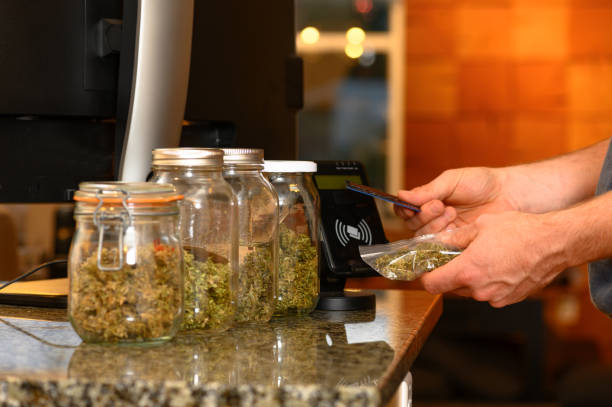
Purchasing Cannabis with a credit card Paying by credit card for marijuana at a cannabis dispensary. Purchasing legal recreation drugs. Medical marijuana at a clinic. Marijuana Dispensaries stock pictures, royalty-free photos & images

Discover Exceptional Value at the Park Slope Weed Store for Recreational Marijuana

When visiting a cannabis dispensary, one of the most appealing aspects for consumers is the availability of recreational marijuana deals. These offers not only provide financial savings but also allow customers to explore a wide range of products they might not have considered otherwise. Below, we’ll dive into how these deals work, the benefits they offer, and tips for making the most out of them.

Types of Recreational Marijuana Deals

  • First-Time Customer Discounts: Many dispensaries provide discounted rates or free gifts for first-time visitors as an incentive to explore their offerings.
  • Example: “Wax Wednesday” featuring discounts on concentrates or “Flower Friday” with reduced prices on premium flower strains.
  • Bulk Purchase Discounts: Savings offered when purchasing larger quantities, such as quarter ounces or full ounces.
  • Bundle Deals: Combine products like pre-rolls, edibles, and tinctures into a package at a lower price than buying individually.
  • Holiday Promotions: Special discounts around cannabis-friendly dates like 4/20 or Green Wednesday (the day before Thanksgiving).

Benefits of Taking Advantage of Cannabis Deals

  1. Product Exploration
    Discounted rates on less familiar items make it easier for consumers to experiment with new delivery methods (e.g., edibles vs. vapes) or strains without committing to full-priced purchases.
  2. Cost Efficiency
    For regular users, taking advantage of deals significantly reduces monthly expenses while maintaining access to high-quality products.
  3. Opportunity to Upgrade
    Promotional offers allow customers to try premium products at prices comparable to standard options, improving their overall experience.
  4. Loyalty Program Integration
    Many dispensaries pair deals with loyalty programs, enabling customers to earn points on discounted purchases for future savings.

Tips for Finding the Best Marijuana Deals

  • Subscribe to Dispensary Newsletters: Many dispensaries share exclusive promotions through email updates or text alerts.
  • Check Online Menus: Websites often list current specials alongside their regular product inventory.
  • Ask Budtenders About Upcoming Deals: The staff can provide insights into future sales and help you plan your visits accordingly.
  • Follow Social Media Accounts: Dispensaries frequently post flash sales and limited-time offers on platforms like Instagram and Twitter.
  • Compare Nearby Locations: If multiple dispensaries are accessible in your area, check which ones have the best ongoing promotions.

Sample Table: Comparing Deal Types

Deal Type Value Offered Best For
First-Time Customer Discounts/free gifts New visitors exploring options
Daily/Weekly Specials Rotating product promos Frequent shoppers
Bulk Purchase Discounts Lower cost per gram/unit High-consumption users
Bundle Deals Grouped items at reduced prices Exploring variety
Holiday Promotions Seasonal savings Budget-conscious buyers

By staying informed about recreational marijuana deals and understanding how they align with your personal preferences or needs, you can maximize both value and quality during your dispensary visits.

Discover Education and Guidance at Your Park Slope Cannabis Shop

Navigating the world of cannabis can feel overwhelming, especially for those new to its wide range of products, strains, and terminology. Dispensaries play a crucial role in providing education and guidance to empower individuals in making informed decisions about their cannabis use. Whether you’re exploring options for medical relief or recreational enjoyment, understanding what dispensaries offer in terms of education can enhance your journey.

Personalized Consultations

  • Strain selection: Understanding the differences between indica, sativa, and hybrid strains.
  • Consumption methods: Guidance on whether smoking, vaping, edibles, tinctures, or topicals are right for you.
  • Dosage: Recommendations for proper dosing to achieve desired effects while avoiding overconsumption.

This personalized approach ensures that each customer receives tailored advice that aligns with their level of experience and specific goals.

Workshops and Community Events

  • The science behind cannabinoids (e.g., THC, CBD) and how they interact with the body’s endocannabinoid system.
  • Best practices for safe consumption.
  • Updates on local regulations related to cannabis use.

These events foster a sense of community while encouraging responsible consumption practices.

Informational Resources

  • Brochures or guides explaining product categories.
  • Infographics summarizing strain characteristics or dosage tips.
  • Access to online blogs or resources that dive deeper into cannabis-related topics such as benefits, myths, or innovations.

For tech-savvy consumers, some dispensaries also offer mobile apps with educational tools like strain finders or dosage calculators.

Resource Type Description Example Use Case
Brochures/Guides Printed handouts with basic cannabis info Quick review after a store visit
Infographics Visual summaries of key concepts Easy-to-understand strain comparisons
Online Blogs/Apps In-depth articles or interactive tools Learning about product-specific benefits

The Importance of Trustworthy Advice

Dispensary staff prioritize offering trustworthy advice rooted in science rather than hearsay. This is especially important given the abundance of misinformation surrounding cannabis use. By relying on trained professionals within dispensaries, consumers avoid pitfalls such as incorrect dosages or unrealistic expectations about product effects.

Benefits of Educated Cannabis Use

  1. Maximize their experience by selecting products suited to their needs.
  2. Practice safe consumption habits by understanding potency levels and proper dosages.
  3. Feel confident navigating an ever-growing market filled with diverse products.

Education isn’t just an added service—it’s an integral part of what makes reputable dispensaries stand out from other sources like unregulated markets or smoke shops. For anyone seeking clarity amid the complexities of modern cannabis offerings, these resources lay a solid foundation for an empowering journey.

Inspecting Cannabis Buds Before Purchase A mature woman stands at the counter of a legal cannabis retailer as she holds out a lid of buds. She is dressed casually and looking down to inspect the product as the associate tries to sell it to her. Marijuana Dispensaries stock pictures, royalty-free photos & images

Start Earning and Redeeming Points Today Through Loyalty Programs

Loyalty programs offered by cannabis dispensaries are becoming a significant perk for consumers looking to make the most out of their purchases. These programs reward customers for their ongoing support while creating an incentive to return. Whether you’re a frequent shopper or new to dispensaries, loyalty programs can help you save money, enjoy exclusive deals, and access premium products with added value.

How Loyalty Programs Work

  1. Sign-Up: Customers register for the program through the dispensary’s website, app, or in-store.
  2. Earn Points: With each purchase, a set number of points is added to the customer’s account.
  3. Redeem Rewards: Accumulated points are exchanged for benefits such as discounts on future purchases or complimentary products.
Action Example Reward Value per Point
Spend $1 Earn 1-2 points $0.01 – $0.02
Accumulate 100 Points Get $10 off your next order 10% return
Refer a Friend Earn 50 bonus points Varies

Benefits of Joining Dispensary Loyalty Programs

  • Cost Savings: Regular shoppers can save significantly by redeeming points toward future purchases.
  • Early access to new product launches
  • Invitations to members-only events
  • Personalized Offers: Many dispensaries tailor rewards based on your purchasing history.
  • Convenience: Trackpoints and rewards easily through mobile apps or online accounts.

Tips for Maximizing Your Points

  • Combine Deals and Discounts: Take advantage of store promotions alongside your loyalty rewards for greater savings.
  • Shop Strategically: Many dispensaries offer double-points days or special earning opportunities during holidays.
  • Refer Friends: Encourage others to join and earn bonus points in the process.
  • Stay Informed: Keep an eye on newsletters or notifications from the dispensary detailing updates or limited-time offers.

Common Features of Cannabis Loyalty Programs

Feature Description
Mobile App Integration Track rewards and browse deals conveniently
Tiered Membership Levels Unlock higher rewards as you spend more
Birthday Bonuses Receive extra perks during your birthday

By enrolling in a cannabis dispensary’s loyalty program, customers gain access not only to savings but also an enhanced shopping experience tailored toward their preferences. Take advantage of these initiatives today and start enjoying the benefits they provide.

Discovering the Full Menu of Cannabis Products and Offerings at Dispensaries

As the cannabis industry continues to grow, dispensaries have become a one-stop shop for a diverse range of products tailored to meet the needs and preferences of consumers. Whether you’re a seasoned cannabis enthusiast or new to the world of cannabis, exploring the full menu of offerings at dispensaries can be an exciting and informative experience. Understanding the variety available allows you to make more informed decisions about what suits your lifestyle and wellness goals.

Categories of Cannabis Products Available

  • Flower
    The traditional choice for many users, cannabis flower comes in various strains (e.g., sativa, indica, hybrid) with unique terpene profiles and cannabinoid content. It is often sold by weight (grams, eighths, quarters) and is ideal for smoking or vaporizing.
  • Pre-rolls
    Pre-rolled joints offer convenience and portability. They’re great for those who prefer not to grind or roll their own flower but still want an easy-to-use smoking option.
  • Edibles
    Edibles provide a smoke-free way to consume cannabis. Options include gummies, chocolates, baked goods, beverages, capsules, and more. Potency varies by product.
  • Concentrates
    Concentrates are potent extracts like shatter, wax, live resin, rosin, or distillate that cater to experienced users seeking high THC levels. They can be consumed through dabbing or added to flower for enhanced effects.
  • Vape Cartridges
    Vape pens paired with pre-filled cartridges offer a discreet and convenient way to consume cannabis on the go. Available in numerous flavors and strain-specific formulas.
  • Topicals
    These include creams, balms, salves, and transdermal patches infused with cannabinoids such as THC or CBD. They are applied directly to the skin for localized relief without psychoactive effects.
  • Tinctures/Oils
    Tinctures are liquid extracts consumed orally or sublingually (under the tongue). They allow precise dosing and come in various cannabinoid ratios (e.g., CBD:THC blends).

Specialty Cannabis Offerings

Product Type Description Examples
High-CBD Products Non-intoxicating products focused on wellness CBD oils/tinctures; CBD-only edibles
Microdose Options Low-dose items ideal for beginners Mints; low-potency gummies
Terpene-Rich Items Products emphasizing flavor/aroma diversification Live resin cartridges; terpene-enhanced edibles

Seasonal Promotions & Limited Editions

Cannabis menus often evolve based on trends and seasonal availability. Dispensaries frequently introduce limited-edition strains or collaborate with cultivators on exclusive products. It’s worth asking your local budtender about any new arrivals or promotions that might interest you.

How To Choose What’s Right For You

  1. Purpose: Identify whether you’re seeking relaxation, pain relief, creativity enhancement, or other benefits.
  2. Consumption Method: Consider how you’d like to use cannabis—smoking vs edibles vs topicals.
  3. Potency Level: Be mindful of THC/CBD concentrations based on your tolerance level.
  4. Budget: Explore affordable options like pre-rolls while keeping premium items like concentrates in mind if desired.

By understanding what dispensary menus have to offer across these categories—and experimenting responsibly—you’ll discover how diverse cannabis consumption can truly be while tailoring it perfectly to your needs.


Exploring the Unique Features of a Park Slope Marijuana Dispensary

Package delivery with marijuana, payment terminal Package delivery with marijuana, payment terminal. Use and storage medical marijuana. Legalized narcotic herb. Treating pain, stress and insomnia. Registered medical hemp delivery agent Marijuana Dispensaries stock pictures, royalty-free photos & images

When discussing cannabis-related businesses, people often use the terms “marijuana store” and “cannabis dispensary” interchangeably. However, there are distinct differences between the two in terms of purpose, offerings, and regulatory oversight. Understanding these differences is essential for consumers navigating the cannabis marketplace.

Purpose and Focus

  • Marijuana Store:
    A marijuana store is often a broad term used to describe any retail location where cannabis products are sold. These stores may vary in professionalism, product selection, and licensing depending on the jurisdiction in which they operate.
  • Example: Some marijuana stores may focus solely on recreational cannabis.
  • Others may operate informally without adhering to strict regulatory frameworks.
  • Cannabis Dispensary:
    A cannabis dispensary is typically a licensed and regulated establishment that adheres to specific legal standards set by local or state governments. These establishments aim to provide both medical and recreational users with high-quality products while ensuring safety and compliance with the law.

Types of Cannabis Dispensaries

  1. Focused on serving patients with medical conditions.
  2. Require a medical marijuana card or doctor’s recommendation for purchases.
  3. Products are tailored toward therapeutic needs (e. g. , CBD-dominant strains for pain relief).
  4. Cater to adult-use consumers aged 21 or older.
  5. Offer a wide range of products designed for enjoyment rather than strictly medicinal purposes.
  6. No medical recommendation required for purchase.
Feature Marijuana Store Cannabis Dispensary
Regulatory Oversight Varies; not always regulated Strictly licensed and regulated
Product Quality Inconsistent High-quality, lab-tested
Focus Recreational (often informal) Medical, recreational, or both
Consumer Guidance Limited Expert staff available

Product Selection Differences

  • Marijuana stores may offer inconsistent product availability due to less stringent supply chain practices.
  • Licensed dispensaries provide precisely labeled products with accurate information about cannabinoids (THC/CBD levels), terpenes, and intended effects.
  • Many dispensaries also carry niche items like tinctures, topicals, edibles, capsules, concentrates, vape cartridges, seeds, and even educational materials.

Staff Expertise

In a cannabis dispensary:
– Staff members are often trained as “budtenders” who can guide customers through product options based on their needs (e. g. , sleep support or pain relief).
– Medical dispensaries employ knowledgeable professionals who work closely with patients seeking therapeutic benefits from cannabis.

Marijuana stores might lack this level of expertise since they aren’t always held to high operational standards.

Why This Distinction Matters for Consumers

Understanding whether you are visiting a marijuana store or a licensed cannabis dispensary can impact your overall purchasing experience by influencing factors such as:
1.Safety:Lab-tested products ensure customers consume safe and uncontaminated items. 2.Compliance:Licensed dispensaries comply fully with laws concerning age restrictions and purchase limits. 3.Customer Support:Trained professionals at dispensaries help demystify complex concepts around dosages or strain selection.

By recognizing these key distinctions between marijuana stores and cannabis dispensaries, consumers can make informed choices that align with their preferences while adhering to legal standards in their region.

Exploring the Impact of a Park Slope Dispensary on Modern Society

Cannabis dispensaries have become a cornerstone of modern society, playing a crucial role in reshaping perceptions around cannabis use and providing access to regulated products. With the ongoing legalization of cannabis across various regions, dispensaries contribute to numerous aspects of public health, local economies, and social dynamics.

Your Go-To Park Slope Weed Store for Safe Access

One of the primary roles of cannabis dispensaries is offering safe and regulated access to cannabis products.

  • Quality-Controlled Products: Licensed dispensaries must adhere to strict testing standards, ensuring that products are free from harmful contaminants like pesticides or mold.
  • Accurate Information: Professional staff at dispensaries are trained to educate customers on product options, dosages, and consumption methods.
  • Diverse Product Options: Dispensaries typically offer an array of products such as flower, edibles, tinctures, concentrates, topicals, and more.

By offering these services under strict regulation, dispensaries reduce reliance on unregulated markets where product safety and quality may be inconsistent.

Discover the Trusted Park Slope Cannabis Shop for Medical Patients

Dispensaries also play a crucial role in supporting patients who rely on medical cannabis for symptom relief. Patients often consult with knowledgeable staff who can guide them toward products tailored to treat specific conditions like chronic pain, anxiety, or epilepsy.

  • Offering high-CBD strains or low-THC options for those seeking therapeutic benefits without psychoactive effects.
  • Providing information about dosage forms suited for different medical needs (e. g. , sublingual oils for rapid absorption).
  • Ensuring discounted pricing programs for patients with a valid medical card.

Economic Contributions

The rise of cannabis dispensaries has significantly impacted local and national economies. Their presence generates tax revenues while creating jobs across various fields such as retail management, supply chain logistics, marketing, and agriculture.

In 2022 alone: | Economic Factor | Impact| |—————————|————————————–| | Tax Revenues Collected | Over $4 billion in U. S.

These economic benefits often lead communities to embrace dispensary establishments as valuable contributors.

De-Stigmatizing Cannabis Use

Dispensaries contribute significantly to normalizing discussions around responsible cannabis use by fostering transparency and education within their operations.

  • Dispensary environments are designed to feel professional and welcoming.
  • Many retailers host educational campaigns or workshops aimed at dispelling myths surrounding consumption.

This normalization has gradually shifted societal views on cannabis from taboo toward acceptance as part of wellness or recreational culture.

Advocacy & Social Equity

Beyond their commercial function, many cannabis dispensaries actively engage in advocacy efforts addressing broader issues like social equity within the industry.

  1. Partnering with nonprofits focused on expungement programs for nonviolent cannabis-related convictions.
  2. Implementing diversity hiring practices that prioritize representation from communities historically impacted by criminalization policies.
  3. Supporting local organizations addressing public health concerns linked to substance misuse prevention.

How to Choose the Right Cannabis Dispensary for Your Needs

Selecting the right cannabis dispensary can enhance your overall experience, ensuring you find quality products and knowledgeable service in a safe and welcoming environment.

Location and Accessibility

  • Proximity to Home or Work:Look for a dispensary that is conveniently located near you, saving time and reducing transportation costs.
  • Online Ordering Options:Many dispensaries now offer online pre-ordering, allowing you to browse products and pick them up quickly.
  • Parking and Accessibility:Consider whether the dispensary has ample parking or is easily accessible by public transit. Additionally, check if the store accommodates individuals with disabilities.

Quality of Products

The quality of cannabis can vary greatly between dispensaries.
Lab Testing:Ensure that the dispensary provides lab-tested products with detailed information about THC, CBD levels, and potential contaminants.
Variety:Look for a broad selection of strains (indica, sativa, hybrid), edibles, topicals, tinctures, concentrates, or other items to meet your needs.
Freshness:High-quality cannabis should have vibrant colors and a pleasant aroma. Avoid products that seem dry or overly crumbly.

Knowledgeable Staff

A strong indicator of a good dispensary is well-informed staff who can help guide you through their offerings:
Customer Education:Budtenders should be able to explain how different strains work and recommend suitable options based on your preferences or medical needs.
Transparency:Staff should openly discuss product sourcing methods while addressing any questions about growing processes or ingredients used in edibles and concentrates.

Pricing and Discounts

Cannabis pricing varies depending on product type, potency, brand reputation, and applicable taxes:
– Compare prices at multiple dispensaries to ensure you’re getting good value without compromising on quality.
– Seek out promotions like first-time customer discounts or loyalty programs offering benefits like free products after several purchases.

Product Category Average Price Range (USD) Notes
Flower $10-$20 per gram Prices depend on strain potency & availability
Edibles $15-$50 per package Dosage impacts cost
Concentrates $30-$70+ per gram Higher-quality options may cost more

Legal Compliance

Always choose a licensed cannabis dispensary operating in compliance with state laws:
1. Verify licensing details online through regulatory agency websites if they’re publicized by law locally. 2 . Check strict adherence regarding ID verification every time customers enter onsite premises .

Close up of scientist with gloves and glasses examining cannabis sativa hemp plant Close up of scientist with gloves and glasses examining cannabis sativa hemp plant Marijuana Dispensaries stock pictures, royalty-free photos & images

Exploring the Products and Services Offered by Cannabis Dispensaries

Cannabis dispensaries have evolved into comprehensive hubs for cannabis enthusiasts and medical patients alike. They offer a wide array of products and services tailored to meet different needs, preferences, and legal requirements. Understanding what these establishments offer is key to making informed decisions about your cannabis purchases.

Types of Cannabis Products Available

Dispensaries provide a variety of cannabis products catering to diverse consumption methods and desired effects.

  1. Dried cannabis flower is the most traditional form of cannabis.
  2. Strains are typically categorized as indica, sativa, or hybrid.
  3. THC and CBD percentages are clearly labeled for consumer guidance.
  4. Includes products like wax, shatter, resin, and oil.
  5. Known for their potency, concentrates are ideal for experienced consumers seeking stronger effects.
  6. Cannabis-infused food items such as gummies, chocolates, beverages, or baked goods.
  7. Offer discreet consumption options with dosage clearly indicated on packaging.
  8. Liquid cannabis extracts designed for sublingual administration or mixing with food/beverages.
  9. Available in various THC:CBD ratios to suit different needs.
  10. Creams, balms, lotions, or patches containing cannabinoids like THC or CBD.
  11. Primarily used for localized pain relief without psychoactive effects.
  12. Pre-filled cartridges compatible with vape pens or disposable vaporizers containing concentrated oils.
  13. Ready-to-smoke joints available in different strains and sizes.
  14. CBD Products (Non-Psychoactive Options)
    • Includes oils, tinctures, capsules, and topical creams derived from hemp plants with low THC content.
Product Category Examples Key Benefits
Flower Indica/Sativa strains Traditional option; customizable use
Concentrates Wax/Shatter/Oils High potency; fast-acting
Edibles Gummies/Chocolates Discreet; long-lasting effects
Tinctures CBD/THC blends Precise dosing; versatile usage
Topicals Lotions/Balms Localized relief; non-psychoactive

Additional Services Offered by Dispensaries

  • Educational Resources:Staff often educate customers on product types and their effects.
  • Guidance for New Users:Budtenders assist those new to cannabis in choosing the right products based on goals and tolerance levels.
  • Medical Consultations:Some dispensaries employ specialists who can advise on medical usage.
  • Delivery Services:Many offer home delivery options for added convenience.
  • Loyalty Programs:Regular customers can benefit from discounts or reward points.
  • Community Events:Workshops or educational sessions that promote awareness about responsible cannabis use may also be hosted.

Why Variety Matters

The range of products available at dispensaries ensures that all consumers—whether recreational users seeking relaxation or patients needing targeted relief—can find something that suits them. This variety fosters an inclusive environment where individuals with unique needs feel supported in their choices.

Exploring the offerings at a licensed dispensary opens up opportunities to discover new ways of integrating cannabis into your lifestyle while prioritizing safety and quality control measures provided through regulated channels. These establishments continue to shape how cannabis is perceived as they deliver diverse solutions tailored to modern consumer demands.

The Evolution of Cannabis Dispensaries: From Illegality to Legitimacy

The path of cannabis dispensaries from operating in the shadows to becoming legitimate businesses is a fascinating journey of societal, legal, and cultural transformation. Over the decades, shifting public perceptions and evolving regulatory frameworks have allowed dispensaries to transition into respected establishments in many regions.

Early Days: The Shadow Market

In earlier decades, cannabis was strictly prohibited in most parts of the world. This led to an unregulated black market where people could only acquire cannabis through illicit means. These operations were often risk-laden for both sellers and buyers due to the criminalization of marijuana possession and distribution.

  • Lack of product safety or quality assurance.
  • No accountability for proper labeling, dosage, or contaminants.
  • Criminal penalties for those caught selling or purchasing.

The Medical Marijuana Movement

The late 20th century witnessed a pivotal shift with an increasing recognition of cannabis’s medicinal potential. California became the first state in the United States to legalize medical marijuana with Proposition 215 in 1996. This marked a turning point where licensed dispensaries began operating semi-legally under state law but often faced federal challenges.

  • Focus on providing cannabis to patients with qualifying medical conditions.
  • Growth in advocacy movements promoting marijuana’s therapeutic benefits.
  • Gradual establishment of regulations for dispensary operations within states.

Legalization for Recreational Use

The modern era began with Colorado and Washington legalizing recreational marijuana use in 2012. This move signified a monumental cultural shift toward viewing cannabis as both a medicinal asset and a recreational product akin to alcohol. Today, many states and countries have followed suit by implementing frameworks for legal sales.

  • Development of rigorous licensing requirements for dispensaries.
  • Implementation of taxation systems generating significant government revenue.
  • Introduction of age restrictions and ID verification processes for consumers.

What Legitimacy Looks Like Today

Licensed dispensaries now operate as professional establishments that adhere to strict compliance standards. They are subject to local and federal regulations (where applicable) that ensure quality, safety, and transparency throughout their operations.

Aspect Regulation Example
Product Testing Mandatory testing for potency & purity
Labeling Requirements Clear THC/CBD levels & ingredient lists
Security Measures Surveillance cameras & controlled access
Employee Training Knowledgeable staff certified by training programs

Additionally, these businesses often focus on fostering community relationships through educational outreach programs about responsible usage and health benefits.

Challenges Alongside Progress

Despite progress, challenges persist—particularly surrounding inconsistent global policies. Some regions continue criminalizing marijuana possession while others embrace its economic potential through legalization efforts.

  • Banking remains an issue due to federal restrictions in regions like the U. S.
  • Social equity concerns highlight disparities in who gets access to licenses or benefits from legalization efforts.

The evolution from illegality to legitimacy reflects how perceptions toward cannabis are continuing to change—and how dispensaries have adapted within these emerging landscapes.

Navigating Legal Regulations in the Cannabis Dispensary Industry

Understanding and adhering to legal regulations is a fundamental aspect of operating or engaging with cannabis dispensaries. With laws varying across regions, it’s important for businesses and consumers to remain informed about the rules governing the cannabis industry. Below is an overview of key considerations when navigating these legal frameworks.

Understanding Federal vs. State

  • Federal Law: Cannabis remains classified as a Schedule I substance under the Controlled Substances Act, meaning it is illegal at the federal level, even in states where its use is legalized.
  • State Law: Many states have legalized cannabis for medical use, recreational use, or both, creating a patchwork of regulations that businesses and consumers must navigate.

It’s crucial for dispensary operators to fully understand both sets of laws to mitigate risks while ensuring legal compliance. Consumers should also familiarize themselves with their state’s specific cannabis policies before purchasing or consuming products.

Licensing and Permits

For dispensaries to operate legally, obtaining proper licensing is non-negotiable.

  • Retail Licenses: Permits enabling businesses to sell cannabis products directly to consumers.
  • Cultivation Licenses: For dispensaries that grow their own supply, additional permits are required.
  • Transportation Licenses: These may be needed if goods are moved between suppliers and retail locations.

Licensing processes vary by jurisdiction but typically involve background checks, inspections, and ongoing compliance monitoring.

License Type Purpose Example Requirements
Retail License Sell finished products Proof of location approval; application fee
Cultivation License Grow cannabis plants Environmental impact assessments
Transportation License Move inventory between locations Tracking systems like seed-to-sale software

Compliance with Operational Regulations

Dispensaries must adhere to strict operational guidelines that ensure safety and transparency.

  1. Use of seed-to-sale tracking software is often mandated.
  2. Ensures accountability from cultivation through final sale.
  3. States require consumers to be 21 or older for recreational purchases (18+ for medical use in certain cases).
  4. Dispensaries must verify identification before completing transactions.
  5. Clear labeling with THC/CBD content levels.
  6. Warnings about potential effects or risks are typically required.
  7. Installation of surveillance systems.
  8. Restricted access areas within facilities.

Taxation Implications

  • Excise Taxes: Applied at either a flat rate or as a percentage of sales price.
  • Sales Taxes: Added at point-of-sale like other consumer goods.
  • Both taxes contribute to state revenue but can lead to higher costs for consumers compared to unregulated markets.

Challenges in Cross-State Transactions

Since interstate commerce involving cannabis remains illegal under federal law, individuals cannot transport products across state lines—even between two states where it’s fully legalized. This presents unique challenges for businesses seeking expansion into multiple regions and underscores why staying informed about local laws is essential.

By understanding these legal intricacies, businesses can build trust with customers while avoiding costly fines or penalties associated with non-compliance. Similarly, consumers who educate themselves on these regulations will be better equipped to make safe and lawful purchases within this evolving industry landscape.

scientist is working with cannabis at laboratory. scientist is working with cannabis at laboratory. Science and medicine concept. Marijuana Dispensaries stock pictures, royalty-free photos & images

The Benefits of Purchasing from Licensed Cannabis Dispensaries

The cannabis industry has grown rapidly in recent years, but not all sources of cannabis products are created equal. Purchasing from licensed cannabis dispensaries offers a range of benefits that enhance safety, quality, and the overall customer experience. Below, we’ll explore the key advantages that make licensed dispensaries the preferred choice for consumers.

Licensed dispensaries are required to adhere to strict regulations and quality standards set by governing bodies.

  • The THC and CBD levels indicated on product labels are accurate.
  • Products meet safety requirements for human consumption.
  • Packaging is tamper-proof and child-resistant.

This level of oversight is absent in unregulated markets, where the risk of unsafe or mislabeled products is significantly higher.

One of the key benefits of visiting a licensed dispensary is access to knowledgeable staff who can guide you in selecting products that meet your specific needs.

  • Help you choose between different strains (e. g. , indica, sativa, hybrid).
  • Explain how various consumption methods (e. g. , smoking, edibles, tinctures) work.
  • Recommend appropriate dosages based on your experience level or desired effects.

This personalized support can be especially valuable for first-time users or those seeking relief for medical conditions.

Purchasing cannabis from a licensed dispensary ensures you are abiding by state laws and regulations regarding marijuana use. This provides peace of mind for consumers who want to avoid potential legal risks associated with buying from unlicensed sources.

  • Transactions at licensed dispensaries are recorded properly for tax compliance.
  • Licensed businesses operate transparently under regulatory oversight.

By choosing a legitimate source, you’re contributing to the normalization and legitimacy of the cannabis industry.

Licensed dispensaries offer an extensive range of high-quality products tailored to various preferences and needs.

Product Type Examples
Flower Indica strains, Sativa strains
Edibles Gummies, chocolates
Concentrates Wax, shatter
Topicals Lotions, balms
Tinctures Sublingual oils

Having access to such variety allows consumers to explore different options with confidence in their quality and potency.

Supporting licensed dispensaries contributes positively to local economies through job creation and tax revenue generation. Taxes collected help fund public services such as education and infrastructure improvements.

  • You’re helping sustain jobs within compliant businesses.
  • Communities benefit from increased economic activity around legalized cannabis sales.

Final Thoughts

Opting for licensed cannabis dispensaries goes beyond just acquiring high-quality products; it’s about making informed decisions that prioritize safety while supporting responsible business practices within this growing industry sector. Whether you’re a recreational user or someone exploring medicinal applications for cannabis, choosing regulated sources ensures an experience grounded in reliability and transparency.

The Benefits of Purchasing from Licensed Cannabis Dispensaries

As the cannabis industry continues to grow, so does the importance of making informed purchasing decisions. Opting to buy from licensed cannabis dispensaries offers several advantages that go beyond simply obtaining quality products. Below, we explore the key benefits customers can expect when choosing a licensed dispensary.

Guaranteed Product Safety and Quality

Licensed cannabis dispensaries are required to comply with strict regulations designed to ensure product safety and quality.

  • Third-party lab testing:Products sold must be tested for potency, contaminants, pesticides, and other harmful substances.
  • Accurate labeling:Details such as THC/CBD content, ingredients, and recommended usage guidelines are clearly stated on packaging.
  • Proper storage:Licensed dispensaries adhere to guidelines for storing cannabis products in a way that preserves their potency and prevents contamination.

By purchasing from a licensed dispensary, you can have confidence in the integrity and safety of the products you’re consuming.

Access to Expert Guidance

Licensed dispensaries employ knowledgeable staff who can assist you in selecting products tailored to your specific needs or preferences. This is particularly beneficial for individuals new to cannabis or those seeking therapeutic options for medical purposes.

  • Providing recommendations based on product effects (e. g. , relaxation vs. energy).
  • Educating customers about consumption methods such as smoking, vaping, edibles, or tinctures.
  • Clarifying dosage levels to ensure safe use.

This personalized approach ensures you make well-informed decisions while exploring the wide range of available options.

Legal Protection and Compliance

When you purchase cannabis from a licensed dispensary, you’re conducting your transaction within the boundaries of state or local laws.

  • Legal penalties:Unlicensed sales carry significant legal risks for both buyers and sellers.
  • Unverified products:Without regulation, there is no guarantee about what goes into untested and unlabeled products.

Furthermore, supporting legal dispensaries helps bolster the legitimate cannabis industry while discouraging illegal operations.

Wide Variety of Products

Licensed cannabis dispensaries typically offer an extensive menu of high-quality items designed to meet various consumer preferences.

Product Type Examples
Flower Indica strains, Sativa strains
Concentrates Wax, Shatter, Resin
Edibles Gummies, Chocolates
Topicals Creams, Balms
Tinctures CBD oils with customizable dosages

This variety ensures that customers find options suited for recreational enjoyment or therapeutic relief.

Supporting Local Communities

Purchasing from licensed dispensaries contributes positively to local economies by creating jobs and generating tax revenue for public programs like education or infrastructure development. Many legitimate businesses also participate in community outreach efforts by supporting social initiatives related to health education or expungement programs for past minor cannabis-related offenses.

Final Thoughts: Why Licensing Matters

Purchasing from a licensed cannabis dispensary is not just about ensuring access to safe and effective products; it also plays an integral role in fostering responsible growth within this emerging industry. By prioritizing transparency, compliance with legal standards, expert guidance, diverse product selection, and community benefits — these establishments provide a trusted solution for consumers navigating today’s evolving cannabis market.


Exploring the Differences Between a Park Slope Marijuana Dispensary, Cannabis Store, and Marijuana Store

Looking at Cannabis Buds A mature female customer leans in over a counter as she looks at a tin of cannabis buds at a legal retailer. She is dressed casually as she inspects the product the associate is holding out for her before purchasing. Marijuana Dispensaries stock pictures, royalty-free photos & images

As cannabis becomes more widely accepted and legalized across various regions, the terminology surrounding its retail outlets can often be confusing. Terms like “cannabis store,” “dispensary,” and “marijuana store” are frequently used interchangeably. However, there are nuanced differences between these establishments that can impact a consumer’s experience. Understanding these distinctions is essential for making informed purchase decisions.

Cannabis Store

  • Product Variety: A wide selection of cannabis products, including flower, edibles, concentrates, tinctures, topicals, and pre-rolls.
  • Recreational Focus: Many cannabis stores primarily serve recreational users looking for accessible and enjoyable consumption options.
  • No Medical Guidance: Unlike dispensaries with medical staff, these stores may lack personnel trained in offering health-related advice.

Cannabis stores operate much like traditional retail outlets with a focus on customer experience and product availability.

Dispensary

The term “dispensary” often refers to an establishment that provides medical-grade cannabis to patients with specific needs or prescriptions. While many dispensaries also sell recreational products where allowed by law, their roots lie in catering to individuals seeking therapeutic benefits from cannabis.

  • Medical Expertise: Many dispensaries employ staff who are knowledgeable about medical conditions and can recommend appropriate strains or products.
  • Patient-Focused Environment: Dispensaries often prioritize privacy and provide detailed guidance for new consumers.
  • Higher Standards for Product Testing: Products sold at dispensaries may undergo stricter testing protocols to ensure quality and safety for medical users.

In some locations, dispensaries require customers to present a medical marijuana card or a doctor’s recommendation before making purchases.

Marijuana Store

The term “marijuana store” is often colloquially used to describe retailers selling recreational cannabis products. This term carries fewer formal connotations than “cannabis store” or “dispensary” but serves as another way of describing places where marijuana is legally sold.

  • Recreational Focus Only: These stores typically do not cater specifically to medical marijuana patients.
  • Casual Atmosphere: Customers can expect a straightforward shopping experience with minimal emphasis on consultations or personalized recommendations.
  • Limited Product Range in Some Areas: Depending on regulations, the inventory might lean heavily towards high-demand recreational items such as pre-rolls and edibles.

Comparing Cannabis Retail Options

Feature Cannabis Store Dispensary Marijuana Store
Primary Audience Recreational/Medical Primarily Medical (some offer recreational) Recreational
Staff Expertise General retail staff Medical professionals available General retail staff
Product Range Broad Often broader due to medicinal focus May focus on popular items
Medical Guidance No Yes No

Making the Right Choice

Choosing between a cannabis store, dispensary, or marijuana store depends largely on your needs as a consumer. Those seeking advice for managing health issues may prefer visiting a dispensary due to its medically-oriented approach. On the other hand, casual users looking for convenience might opt for general cannabis or marijuana stores offering quick access to popular products without consultations.

Understanding these distinctions ensures you’ll find the best place suited to your preferences while navigating this evolving industry confidently.

Discover the Full Menu at Your Local Park Slope Weed Store for Every Consumer

The modern cannabis industry offers a wide variety of product categories designed to meet the diverse needs and preferences of consumers. Whether you are a medical patient seeking relief or a recreational user exploring new experiences, dispensaries now provide an array of products catering to various consumption methods, potencies, and effects. Below is an overview of the primary cannabis product categories you are likely to encounter.

Flower (Bud)

Cannabis flower, often referred to as “bud,” remains one of the most popular and traditional forms of cannabis consumption.

  • Attributes: Available in indica, sativa, or hybrid strains with varying terpene profiles.
  • Consumption Methods: Typically smoked through joints, pipes, or vaporizers.
  • Potency Levels: THC levels can range from mild (under 10%) to high (over 25%).

Some consumers prefer flower for its immediate effects and versatility in usage.

Concentrates

For those seeking higher potency, concentrates are a popular choice. These products are created by extracting cannabinoids and terpenes from the cannabis plant.

  • Wax
  • Shatter
  • Resin
  • Oil
  • Benefits: High THC content (sometimes exceeding 80%) allows for smaller doses.
  • Consumption Methods: Often used with dab rigs or vape pens.

Concentrates appeal to experienced users looking for intense effects in smaller quantities.

Edibles

Edibles offer a discreet and flavorful way to consume cannabis. These products infuse cannabinoids into food items like gummies, chocolates, beverages, or baked goods.

  • Long-lasting effects (up to several hours).
  • Discreet consumption.
  • Onset Time: Effects typically take 30 minutes to two hours due to digestion processes.

Consumers should start with low doses (e.g., 5–10 mg of THC) to avoid overconsumption.

Tinctures

Tinctures are liquid cannabis extracts that can be ingested sublingually (under the tongue) or added to food and drinks.

Benefits Why Consumers Choose Tinctures
Precise Dosage Easy-to-measure milligrams per drop
Fast Absorption Effects felt within 15–30 minutes
Discreet Usage Portable and odor-free

Tinctures suit individuals looking for controlled dosing without smoking or vaping.

Topicals

Topical cannabis products include balms, lotions, patches, and creams infused with cannabinoids like THC or CBD. These are applied directly to the skin for localized relief without psychoactive effects.

  • Ideal for pain management and inflammation reduction.
  • Commonly used by athletes or individuals with arthritis.

This category is particularly popular among medical patients seeking non-intoxicating options.

Pre-Rolls

Pre-rolls provide ready-to-smoke joints conveniently packaged for on-the-go use. They save time while offering a consistent experience for new and seasoned users alike.

  • Options include single-strain pre-rolls or infused varieties featuring added concentrates like kief or wax.

Pre-rolls cater especially well to social occasions and spontaneous moments.

Finding Your Favorites at a Park Slope Cannabis Shop

  1. Relaxation? Look into indica strains or CBD-heavy tinctures.
  2. Energy? Sativa flower may be ideal.
  3. Smoking/vaping? Flower or concentrates could work well.
  4. Edibles/tinctures? Perfect for discretion and precise dosing.
  5. Beginners should start low-dose products under supervision from budtenders if possible.

Through exploration tailored by personal needs—be it health-related benefits or recreational enjoyment—every consumer can find a suitable fit within today’s comprehensive product menus available at dispensaries nationwide.

Choosing the Right Dispensary: Factors to Consider for an Exceptional Shopping Experience

When exploring cannabis dispensaries, selecting the right one can significantly enhance your shopping experience. Not all dispensaries are created equal, and understanding what differentiates them can help you make informed decisions tailored to your needs. Below is a guide on the key factors to consider when choosing a dispensary.

1. Product Selection and Quality

  • Flower: Sativa, indica, hybrid strains.
  • Concentrates: Wax, shatter, rosin, live resin.
  • Edibles: Gummies, chocolates, beverages.
  • Topicals: Creams, balms, patches for localized relief.
  • Tinctures: THC/CBD drops for sublingual use.

Additionally, inquire if they work with reputable growers or brands known for lab-tested products ensuring purity and potency.

2. Knowledgeable and Friendly Staff

The quality of customer service can make or break your experience at a dispensary. Budtenders should be knowledgeable about cannabis products and willing to educate customers on various options without judgment or pressure.

Consider asking these questions when interacting with staff: – Can they recommend products based on specific needs (e.g., pain relief, relaxation)? – Are they familiar with cannabinoid profiles (THC/CBD ratios) or terpene effects? – Do they provide guidance on dosing for beginners?

Friendly service fosters trust and ensures you feel comfortable exploring new options.

3. Location and Accessibility

Convenience is another important factor when choosing where to shop: – Is it close to home/work? – Does it have parking space or ADA accessibility? – For medical patients: Are private consultation areas available?

Many dispensaries now offer online menus with pre-ordering services or delivery options that make accessing quality cannabis even more convenient.

4. Pricing Transparency & Deals

Cannabis pricing can vary widely depending on factors like brand reputation or product potency: | Product Type | Price Range (Typical) | |——————-|—————————| | Flower (per gram) | $8-$18 | | Edibles (per pack)| $20-$50 | | Concentrates | $30-$70 |

Check if the dispensary offers loyalty programs or discounts for first-time customers, veterans, seniors, or medical cardholders.

5. Compliance with Legal Standards

Dispensaries must adhere to local laws regarding licensing and consumer safety protocols. – Ensure they request valid ID before purchase. – Check if products are sold in child-resistant packaging with clear labeling of THC content.

Shopping at licensed establishments also guarantees regulated testing for contaminants like pesticides or heavy metals—important for health-conscious consumers.

6. Store Atmosphere & Overall Experience

Modern-day dispensaries range from clinical setups tailored toward medical users to high-end retail stores offering luxurious environments akin to boutique experiences: – Is the store clean/well-organized? – Does it cater specifically toward recreational users vs medical patients? – Does it align w/community engagement values( events/sustainability initiatives)?

Choosing wisely will give both better safety+education-rich purchases

Cannabis shop owner handling dried cannabis buds and organizing it for ready to sell to customers. Owner preparing cannabis buds products for grinding using marijuana grinder on the table at cannabis shop. Marijuana Dispensaries stock pictures, royalty-free photos & images

Legal and Regulatory Considerations for Cannabis Consumers: Staying Informed and Compliant

When exploring the world of cannabis, it is essential to understand the legal and regulatory landscape to ensure you remain informed, compliant, and safe. Cannabis laws vary widely depending on your location, and keeping up-to-date with these regulations is key to a positive and lawful experience. Below is a breakdown of important factors that every cannabis consumer should consider.

Understanding State and Local Laws

Cannabis legalization exists on a spectrum. While some states have authorized recreational cannabis, others allow its use solely for medical purposes or prohibit it altogether. Knowing your state’s regulations is vital before purchasing or consuming cannabis products.

Key aspects to look into: – Recreational vs. medical legality: Determine whether marijuana is legal for adult recreational use or restricted to individuals with qualifying medical conditions. – Age restrictions: Most states require consumers to be at least 21 years old for recreational purchases. – Possession limits: Many jurisdictions cap the amount of cannabis that individuals can legally possess at one time (e.g., one ounce of flower or eight grams of concentrate). – Consumption rules: Public consumption is often prohibited even in legalized states; cannabis use may only be permitted in private spaces.

Federal Implications

Although various U.S. states have legalized marijuana, it remains a Schedule I drug under federal law. This classification brings several implications: – It may be illegal to transport cannabis across state lines. – Federal employees or those working in federally regulated industries could face penalties for using marijuana, even where it’s legal at the state level. – Certain federal benefits (e.g., housing assistance) may be affected if an individual uses or possesses cannabis.

Purchasing Cannabis Legally

To lawfully purchase cannabis products: 1. Visit licensed dispensaries that comply with state and local regulations. 2. Verify your identification when required (usually upon entering the dispensary). 3. Be aware of transaction limits as imposed by local laws.

Avoid unlicensed vendors as their products are not subject to regulatory oversight, increasing risks related to product quality and safety.

Safe Transport and Storage

Transporting cannabis also comes with specific requirements: – Keep products sealed in their original packaging during transport. – Store them out of reach in your vehicle, such as in the trunk. – Never consume cannabis while operating a motor vehicle.

Proper storage at home reduces risks associated with accidental ingestion by children or pets: – Use child-proof containers. – Store all products in a cool, dark place away from direct sunlight.

International Travel Restrictions

Consumers should exercise extreme caution when traveling internationally with cannabis products: – Many countries impose strict penalties for possession — even small quantities could result in severe consequences. – Do not assume that legalization within your home country extends abroad; always research destination-specific laws.

Staying Updated

Cannabis laws are evolving rapidly across both state and federal levels. To stay informed: 1. Subscribe to updates from trusted sources like government websites or advocacy groups such as NORML (National Organization for the Reform of Marijuana Laws). 2. Consult legal professionals if you’re unsure about compliance complexities in your area.

Regulatory knowledge empowers consumers not only to adhere to the law but also promotes safer usage practices while minimizing unnecessary risks associated with non-compliance.

How the Park Slope dispensary scene is evolving: From medical roots to modern retail experiences

The evolution of dispensaries reflects the rapidly changing landscape of cannabis legalization, consumer preferences, and the broader cultural acceptance of cannabis use. What once began as small-scale operations focused almost exclusively on medical marijuana patients has grown into an expansive industry that blends wellness, retail innovation, and community engagement. Below is an exploration of how dispensaries have transformed from their medical origins to modern-day retail hubs.

Early Days: Medical-Focused Dispensaries

  • Medical-Only Access: Patients needed a valid medical marijuana card issued by a licensed physician.
  • Limited Product Range: Early dispensaries primarily offered dried flower, basic edibles, and oils aimed at symptom relief.
  • Clinical Atmosphere: Many early locations were designed more like clinics than commercial stores, prioritizing privacy over aesthetics.

This stage laid the foundation for today’s cannabis industry by legitimizing the plant’s therapeutic potential.

The Shift Toward Recreational Retail

  1. Edibles (gummies, chocolates, beverages)
  2. Vape cartridges
  3. Pre-rolls
  4. Concentrates such as waxes and shatter
  5. CBD-focused products
  6. Enhanced Store Design: Modern dispensary layouts now emphasize retail experience rather than functionality alone:
  7. Sleek interiors with well-lit displays.
  8. Informative signage explaining product types and effects.
  9. Lounge areas in some locations for events or consumption (where legal).
  10. Digital menus with detailed descriptions of strains and terpene profiles.
  11. Mobile apps for online ordering and delivery options.

Emphasis on Education & Customer Experience

  • Hiring knowledgeable budtenders trained to guide customers through product selections based on desired effects or conditions.
  • Offering informational materials (pamphlets or QR codes) covering cannabinoids like THC or CBD, proper dosing methods, and consumption techniques.
  • Hosting workshops or seminars on topics like safe consumption practices or new product launches.
Feature Medical Dispensary (Past) Modern Retail Dispensary
Primary Audience Patients only Both recreational users & patients
Product Varieties Limited Wide-ranging
Store Atmosphere Clinical Stylish & engaging
Educational Support Minimal Extensive

The Future: A Blended Approach

As the industry continues to innovate, many dispensaries are blending their medical roots with retail sophistication while fostering community connections. In some cases, hybrid models exist where both medical patients and recreational users shop side-by-side but benefit from tailored services.

Emerging trends shaping the future include: – Sustainability Initiatives: Packaging innovations focused on eco-friendly materials. – Personalized Shopping Experiences: AI-driven recommendations based on consumer preferences. – Social Equity Programs: Empowering underrepresented groups within the cannabis space.

By balancing their historical foundation with modern advancements in retail design and technology, today’s dispensaries are redefining what it means to purchase cannabis responsibly and enjoyably.

Female hand holds paper bag with an image of marijuana symbol closeup Female hand holds paper bag with an image of marijuana symbol closeup. Online delivery of marijuana products concept Marijuana Dispensaries stock pictures, royalty-free photos & images

THC Relief Tinctures and Topicals: Effective Options for Fast-Acting Comfort and Gentle Relief

The use of cannabis-based tinctures and topicals has gained popularity as more people seek alternative methods for relief from pain, inflammation, and other conditions. These products are particularly appealing due to their fast-acting properties, targeted application, and non-intoxicating effects. Below is an in-depth look into THC tinctures and topicals, their benefits, usage tips, and considerations for consumers.

What Are THC Tinctures?

  • Fast onset time: Effects can typically be felt within 15–45 minutes when taken sublingually.
  • Precise dosing: Tinctures often come with droppers that allow consumers to measure exact dosages easily.
  • Discreet usage: They are odorless compared to smoking or vaping and can be used without drawing attention.
  • Versatility: Can be added to beverages or food if sublingual consumption isn’t preferred.

Benefits of THC Tinctures

  1. Quick relief for conditions like anxiety, chronic pain, or insomnia.
  2. Long shelf life when stored properly in a cool, dark place.
  3. Customizable dosage for beginners or advanced users alike.
Key Consideration Tip
Dosage Start low (2–5 mg of THC) and gradually increase as needed
Absorption Method Sublingual use provides quicker relief than ingesting orally

What Are Topical Cannabis Products?

THC-infused topicals include creams, balms, oils, salves, patches, and lotions that are applied directly to the skin. Unlike most other cannabis products containing THC, topicals do not typically produce psychoactive effects because they do not enter the bloodstream in significant amounts.

Common Uses of Topical Cannabis Products

  1. Relief from localized pain or inflammation (e.g., arthritis or sore muscles).
  2. Managing skin conditions such as eczema or psoriasis due to anti-inflammatory properties.
  3. Relaxation through aromatherapy-enhanced formulations with essential oils like lavender or eucalyptus.

Types of THC Topicals

Type Description
Balms & Salves Thickened formulations ideal for concentrated application on joints or small areas
Lotions & Creams Lightweight options offering hydration alongside therapeutic benefits
Transdermal Patches Deliver cannabinoids through the skin for long-lasting relief; may have systemic psychoactive effects

Why Choose Tinctures or Topicals Over Other Consumption Methods?

  • Non-invasive: No need to inhale smoke or vapor into your lungs.
  • Targeted relief: Ideal for individuals seeking localized comfort without systemic side effects.
  • Discretion: Allows users to address specific concerns privately without noticeable odors.

Tips for Selecting High-Quality Products

  1. Potency: Check product labels for accurate cannabinoid content (e.g., total milligrams of THC per bottle).
  2. Ingredients: Look for natural ingredients free from harmful chemicals or allergens.
  3. Third-party testing: Ensure products have been tested by independent labs to verify quality and safety.

Whether you’re seeking fast relief from chronic discomfort through a well-measured dropper dose of tincture or soothing tired muscles after a workout with a cooling balm infused with THC, these products serve as an accessible way to experience the therapeutic potential of cannabis responsibly while catering to your individual needs.

Celebrating Community and Cannabis Culture: How Dispensaries Are Impacting Local Communities

Dispensaries are more than just retail spaces for cannabis products—they have become vital hubs for fostering community and celebrating cannabis culture. As the cannabis industry continues to grow, dispensaries are playing an increasingly important role in supporting local economies, breaking stigmas, and contributing to public education about cannabis.

Economic Contributions to Local Communities

  • Job Creation: Dispensaries create employment opportunities, from customer service roles like budtenders to positions in management, security, marketing, and logistics.
  • Tax Revenue: Legal cannabis sales often result in considerable tax revenue for local governments. These funds are typically reinvested into community infrastructure, schools, healthcare services, or public safety initiatives.
  • Support for Local Businesses: Many dispensaries collaborate with nearby small businesses by sourcing locally made products such as edibles or accessories. This stimulates the local supply chain.
Economic Benefit Example Impact
Job Creation Employing residents as budtenders
Tax Revenue Funding improvements to schools
Support for Businesses Partnering with local artisans

Reducing Stigma Through Cannabis Education

  • Budtenders Share Knowledge: Trained staff members help customers understand product types like flower, concentrates, and edibles.
  • Workshops and Events: Many dispensaries host educational sessions on topics such as safe consumption methods and the therapeutic benefits of cannabinoids like THC or CBD.
  • Demystifying Myths: Educating the public helps dispel outdated stereotypes associated with cannabis use while promoting its potential medical applications.

This focus on education fosters a better understanding of cannabis within the community and encourages informed decision-making.

Building a Sense of Belonging

  1. Wellness classes (e.g., yoga infused with CBD)
  2. Product launches or vendor showcases
  3. Raising awareness about social equity issues in the cannabis space
  4. Supporting expungement programs for past nonviolent offenses related to marijuana
  5. Charitable Contributions
    Many dispensaries give back through philanthropy by donating proceeds to local charities or organizing food drives.

Encouraging Sustainability Practices

  • Promoting sustainable packaging alternatives
  • Partnering with organic growers
  • Offering recycling programs for used vape cartridges or other materials

These environmentally conscious efforts align with broader community values while addressing consumer demand for sustainable options.

By blending economic contributions, education initiatives, cultural celebrations, and sustainability efforts, dispensaries serve not only as retail outlets but also as meaningful contributors to their communities’ growth and well-being.