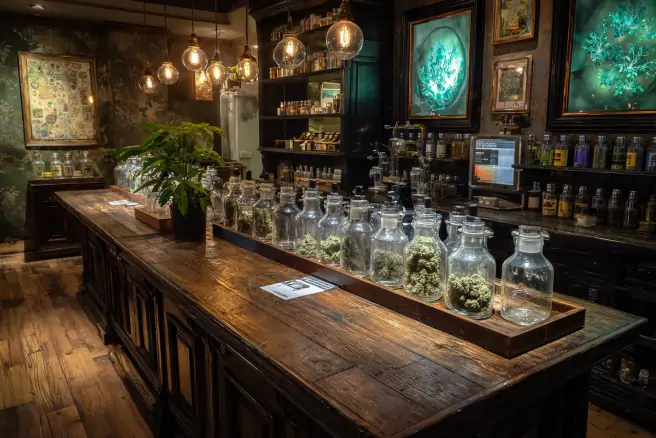
 A dispensary is a regulated establishment where individuals can legally purchase cannabis products for medicinal or recreational use, depending on local laws. These facilities serve as the primary point of access for consumers seeking safe, controlled, and professionally-managed cannabis products. Dispensaries operate under strict legal frameworks to ensure quality control, transparency, and compliance.
Key Functions of a Marijuana Dispensary
Dispensaries play an essential role in the cannabis ecosystem. Below are some of their key functions:
– Product Accessibility: They provide customers with access to high-quality medical and recreational cannabis products.
– Education: Offer guidance and education on product selection, dosage, consumption methods, and potential effects for new or experienced users.
– Safety Standards: Maintain rigorous quality control by sourcing lab-tested cannabis that meets regulatory standards for safety and potency.
– Community Resource: Act as a hub for information regarding legal consumption practices, local regulations, and medical marijuana programs.
Types of Marijuana Dispensaries
| Type | Description | Example States/Countries |
| Medical Dispensary | Focused on providing cannabis to individuals with qualifying medical conditions who have valid prescriptions or recommendations from healthcare providers. | Arizona (Medical Use Only), Germany |
| Recreational Dispensary | Open to adults over a certain age (usually 21+) without requiring a medical prescription. | California, Canada |
Why Are Marijuana Dispensaries Important?
- Enhanced Safety: The sale of regulated products reduces risks associated with black-market purchases that may include untested or dangerous substances.
- Increased Tax Revenue: Legal dispensaries contribute to local economies through substantial tax collections used to fund public services such as schools or infrastructure.
- Healthcare Support: Medical dispensaries serve patients by making therapeutic options accessible for treating conditions like chronic pain or anxiety.
The Role of Budtenders
One unique aspect of many marijuana dispensaries is the role of budtenders—trained professionals who assist customers in selecting appropriate products based on their needs and preferences. Budtenders often possess detailed knowledge about:
– Different strains (e.g., Sativa vs Indica)
– Cannabinoids such as THC (tetrahydrocannabinol) & CBD (cannabidiol)
– Various consumption methods like smoking, vaping, edibles, tinctures
Professional budtenders enhance customer experiences by answering questions effectively while promoting responsible usage practices among consumers.
Conclusion
Marijuana dispensaries go beyond being just retail outlets—they embody safety, education, accessibility requirements legislated across multiple jurisdictions worldwide .
What to Expect When Visiting a Park Slope Cannabis Shop for the First Time
Visiting a cannabis dispensary for the first time can be an exciting yet unfamiliar experience: www.parkslopedispensary.net
Whether you’re seeking products for recreational or medicinal purposes, understanding what to expect can help ease any anxiety and ensure you make informed decisions. Here’s a detailed guide to help you navigate your first visit.
Welcoming Atmosphere and Security Check
- ID Verification: You will likely need to present a government-issued ID proving you’re of legal age (typically 21+ in most areas). Medical dispensaries may also require you to provide your medical marijuana card if applicable.
- Security Personnel: To ensure safety, there may be security guards at the entrance or throughout the facility.
- Check-In Area: Many dispensaries have a waiting area where you’ll check in before being admitted into the main sales floor.
The Layout of a Dispensary
- Reception Area: This is where you’ll check in, verify your ID, or consult with staff about any specific requirements.
- Sales Floor: Here, you’ll find an array of cannabis products displayed in glass cases or on shelves.
- Consultation Desks: Some dispensaries offer private spaces where staff can discuss your needs discreetly.
Engaging with Budtenders
- Feel free to ask questions about available strains, consumption methods, effects, or dosage recommendations.
- Share relevant information about your goals (e.g., pain relief, relaxation) so they can recommend suitable products.
- Don’t hesitate to mention if you’re new to cannabis; budtenders are accustomed to assisting beginners.
Exploring Product Options
| Product Type | Examples | Key Features |
| Flower | Indica, Sativa, Hybrid | Traditional cannabis buds for smoking or vaping |
| Edibles | Gummies, chocolates | Infused with THC/CBD; discreet and easy-to-dose |
| Concentrates | Wax, shatter, oils | High potency; typically consumed via dabbing or vaping |
| Topicals | Lotions, balms | Applied directly onto skin for localized relief without psychoactive effects |
| Pre-Rolls | Ready-to-smoke joints | Convenient option for beginners or those on-the-go |
Payment Methods and Pricing
Many dispensaries operate on a cash-only basis due to federal banking restrictions; however, some accept debit cards or have ATMs on-site. Be prepared with cash just in case.
Pricing will vary depending on factors like location, product type, potency levels, and brand reputation. It’s worth discussing budget considerations with staff before making purchases.
Rules and Etiquette Inside Dispensaries
- Photography is often prohibited inside for privacy reasons—always ask permission if unsure.
- Refrain from consuming purchased products on-site unless explicitly permitted by the establishment.
- Be respectful of staff time during busy hours by preparing questions beforehand.
A first-time visit can be highly informative as long as you’re familiar with basic procedures and expectations outlined above.
What Should You Expect When Visiting a Cannabis Dispensary for the First Time?
Visiting a cannabis dispensary for the first time can feel like stepping into an entirely new world, especially if you’re unfamiliar with the process or products. While modern dispensaries are designed to be welcoming and informative, understanding what to expect beforehand can help ensure a smooth and enjoyable experience.
Identification and Age Verification
Before entering a cannabis dispensary, you will need to present valid identification to prove that you meet the legal age requirement. The minimum age is typically 21 in most U.S. states where recreational marijuana is legal, though some states allow access at 18 with a valid medical marijuana card.
- Bring a government-issued ID: Such as a driver’s license, state ID, or passport.
- Medical users: Ensure you have your medical marijuana card if applicable.
- Double-check local regulations: Age requirements and document needs can vary by state or region.
Security Features
- Security guards at entrances.
- Monitored cameras throughout the facility.
- Controlled access to product areas.
These measures are standard practice and contribute to creating a secure environment for customers and staff.
Layout of the Dispensary
| Area | Purpose |
| Reception Area | Where IDs are checked before entry into the main retail space. |
| Retail Floor | Displays of various products with assistance from knowledgeable staff. |
| Consultation Rooms | Private spaces for personalized guidance (common in medical dispensaries). |
| Check-Out Counter | Dedicated area for finalizing purchases and payments. |
The design is typically clean, professional, and inviting—dispelling outdated stereotypes associated with cannabis retail.
Product Selection Process
- Flower (dried cannabis buds).
- Edibles (such as gummies or chocolates).
- Concentrates (oils, waxes).
- Topicals (creams or balms).
- Pre-rolls (ready-to-smoke joints).
- THC-dominant products for psychoactive effects.
- CBD-focused items for therapeutic benefits without intoxication.
- Smoking/vaping.
- Ingestion through edibles.
- Sublingual options like tinctures.
Feel free to ask questions about strain types (indica, sativa, hybrid) or dosing recommendations if you’re new to cannabis use.
Payment Options
- Check if the dispensary accepts debit cards via third-party systems.
- Bring enough cash; ATMs may be available on-site but could include fees.
Some locations may also accept digital payment solutions specific to their operations.
Staff Interaction
- Explaining product differences.
- Offering strain recommendations based on desired effects or experience level.
- Answering any questions about legality, safety, storage, or dosage.
Don’t hesitate to articulate your goals—whether it’s relaxation, pain relief, sleep aid, or simply curiosity about trying something new.
Final Considerations
A visit to a cannabis dispensary should be approached with an open mind and prepared intentions. Whether you’re shopping for medicinal needs or recreational enjoyment, knowing what steps are involved ensures that your first experience will be positive and stress-free while adhering strictly to local laws governing cannabis use and purchase limits.
What Products Can You Find at Cannabis Dispensaries? A Comprehensive Guide
Cannabis dispensaries have evolved from simple storefronts into comprehensive retail hubs, offering a variety of products to meet the diverse needs of consumers. Whether you’re a seasoned cannabis enthusiast or exploring it for the first time, dispensaries stock a broad range of items to cater to different preferences and consumption methods. Below is a detailed guide to the products typically available at cannabis dispensaries.
Flower (Bud)
The most traditional form of cannabis is the flower, often referred to as bud. It remains highly popular among users due to its versatility and availability in various strains.
- Sativa: Known for energizing and uplifting effects.
- Indica: Typically associated with relaxation and calming effects.
- Hybrid: A combination of sativa and indica genetics tailored for balanced effects.
- Pre-packaged in grams or ounces.
- Pre-rolls for convenience.
Concentrates
Concentrates are high-potency cannabis products created by extracting cannabinoids like THC and CBD from the plant material. They are ideal for experienced users seeking stronger effects.
- Wax: Soft and malleable texture with high THC levels.
- Shatter: Brittle, glass-like consistency prized for purity.
- Rosin: Solventless concentrate made using heat and pressure.
- Oil: Often used in vape cartridges or tinctures.
| Concentrate Type | Average THC Content (%) | Common Use Method |
| Wax | 60-90 | Dab rigs, vaporizers |
| Shatter | 70-90 | Dab rigs |
| Rosin | 50-70 | Vaporizers |
| Oil | Varies (30-80) | Vaping, tinctures |
Edibles
Edibles provide an alternative for those who prefer not to smoke or vape cannabis. They come in various flavors, forms, and potencies.
- Gummies: Available in various fruit flavors with precise dosages.
- Chocolates: Infused treats that resemble standard candy bars.
- Baked Goods: Cookies, brownies, or cupcakes infused with cannabinoids.
- Beverages: Teas, coffees, sodas, or infused water options.
Note: Onset times can vary between edibles (30 minutes to two hours), so always start with a low dose.
Topicals
Topicals are applied directly to the skin for localized relief without causing psychoactive effects. These are often sought out by individuals seeking therapeutic benefits without intoxication.
- Lotions
- Balms
- Salves
- Transdermal patches
Topicals are most commonly used for pain relief, inflammation reduction, or skincare purposes.
Tinctures & Sublinguals
Tinctures are liquid cannabis extracts taken sublingually (under the tongue) or mixed into food/beverages. These products allow discreet consumption while providing controlled dosages.
- Fast absorption rate when taken sublingually.
- Precise dosing with dropper bottles.
Tinctures come in THC-dominant formulations as well as CBD-only options for non-intoxicating use cases.
Vapes & Vape Cartridges
Vaping has quickly become a popular method due to its convenience and reduced harshness compared to smoking flower directly.
- Disposable vape pens preloaded with oil/concentrate.
- Refillable cartridges compatible with specific batteries/devices.
Vape products often highlight strain types (indica/sativa/hybrid) alongside terpene profiles that enhance flavor profiles during consumption.
CBD-Dominant Products
- Full-spectrum oils featuring minor THC traces (<0.3%). 2.CBD-rich gummies targeting wellness goals over recreational euphoria-enhancing behavior
Steps to Launching Your Cannabis Business with a Park Slope Dispensary
Opening a marijuana dispensary can be a rewarding venture, but it requires careful planning, adherence to regulations, and strategic execution. Below is a step-by-step guide to help you navigate the process of launching your cannabis business.
1. Research State and Local Laws
Cannabis regulations vary significantly by state and even by municipality. Before diving into the business, familiarize yourself with the specific laws governing marijuana retail in your area.
Key considerations include:
– Licensing requirements: What licenses are needed, and what is the application process?
– Types of cannabis allowed: Some states allow only medical marijuana, while others permit both recreational and medical use.
– Zoning restrictions: Determine where you’re legally allowed to establish your dispensary (e.g., distance from schools or residential areas).
2. Develop a Business Plan
A solid business plan is essential for outlining your goals, strategies, and financial projections. This document will also be vital if you’re seeking funding from investors or financial institutions.
Include the following in your business plan:
– Executive summary: Overview of your business idea and objectives.
– Market analysis: Target audience demographics and competition in your area.
– Financial plan: Estimated startup costs, revenue projections, and funding strategy.
– Marketing strategy: How you’ll attract customers and build brand loyalty.
3. Secure Licenses and Permits
Obtaining the necessary licenses is one of the most critical steps in opening a dispensary. The process can be complex and time-consuming, often involving background checks, submitting detailed applications, and paying substantial fees.
| License Type | Purpose | Average Cost Range | Renewal Cycle |
| Retail Dispensary | Permits sale of cannabis products | $5,000 – $50,000+ | Annual or Biannual |
| Transportation | Allows movement of cannabis goods | $2,500 – $10,000+ | Annual |
| Cultivation (if applicable) | Enables growing cannabis plants | $20,000 – $100,000+ | Annual or Multi-Year |
4. Find a Suitable Location
The success of your dispensary depends largely on its location. Choose a site that complies with zoning laws while also offering high visibility and accessibility for customers.
Factors to consider when selecting a location:
– Foot traffic potential. – Proximity to competitors. – Parking availability. – Distance from restricted zones (e.g., schools).
5. Build Relationships With Suppliers
To stock high-quality products in your dispensary, identify reputable growers or manufacturers who meet regulatory standards in your state.
Popular types of products you’ll need suppliers for:
– Cannabis flower (various strains). – Edibles like gummies or chocolates. – Concentrates such as oils or waxes. – Accessories including vaporizers or rolling papers.
Building these relationships early ensures consistent inventory and product quality down the line.
6. Design Your Storefront
Your dispensary’s design should create an inviting yet professional environment that enhances customer experience while adhering to security protocols.
Tips for storefront design:
1. Use modern displays that showcase products clearly without overwhelming customers. 2. Ensure compliance with privacy rules — some states require separate waiting areas for medical patients. 3. Install adequate security systems like cameras & locked storage areas per legal guidelines.
7. Hire Knowledgeable Staff
Well-trained staff can make all the difference when it comes to customer satisfaction. Hire employees who are knowledgeable about cannabis strains/products as well as compliance procedures.
Roles you’ll need: – Budtenders: Assist customers with product selection. – Security personnel: Maintain on-site safety standards. – Administrative staff: Handle licensing paperwork & inventory tracking.
8: Create Marketing Strategies Within Legal Boundaries
Marketing a dispensary comes with strict limitations depending on state law; many prohibit advertising targeting minors or misleading claims about health benefits.
Effective marketing strategies include: – Building an engaging website showcasing product menus & educational content. – Leveraging social media platforms within permissible limits (age-restricted campaigns). – Partnering with local organizations/events related to wellness industries where applicable.
Starting a marijuana dispensary requires patience , preparation but done correctly yields both community impact growth .
Essential Requirements for Shopping at a Park Slope Marijuana Dispensary
Shopping at a marijuana dispensary can be an exciting experience, but it’s important to understand that there are specific requirements you must meet before making a purchase. As cannabis remains heavily regulated in most regions, dispensaries adhere to strict rules to ensure compliance with local laws. Below is an overview of the essential requirements for shopping at a dispensary.
Legal Age Requirements
- Recreational Use: In many U.S. states where recreational cannabis is legal, customers must be 21 years or older.
- Medical Use: In states with medical marijuana programs, individuals aged 18 or older may qualify if they hold a valid medical marijuana card. Minors may access medical cannabis under certain conditions but typically require a parent or guardian as a caregiver.
Always carry appropriate identification to verify your age when visiting a dispensary.
Government-Issued Identification
- Driver’s license
- State ID card
- Passport (domestic or international)
The ID must be current (not expired) and issued by an official government body.
Medical Marijuana Card (If Applicable)
For those shopping at medical dispensaries, possessing a state-approved medical marijuana card is mandatory. This card serves as proof that you are legally authorized to purchase cannabis for medicinal purposes due to qualifying health conditions such as chronic pain, anxiety disorders, or epilepsy.
- A written recommendation from a licensed healthcare provider.
- Registration with their state’s medical marijuana program.
- Payment of applicable fees for processing and issuance.
Having your medical card on hand during visits ensures smooth transactions at any licensed medical dispensary.
Cash or Debit Payment Methods
Many cannabis dispensaries operate on cash-only models due to federal banking regulations that limit credit card processing for cannabis-related transactions. Some stores may offer debit payment options through ATM-like terminals onsite; however, credit cards are rarely accepted.
| Payment Method | Availability |
| Cash | Widely accepted by all dispensaries |
| Debit Cards | Some locations allow PIN-based debit transactions |
| Credit Cards | Rarely accepted due to banking restrictions |
It’s always wise to bring cash as your primary payment option and confirm payment policies beforehand when planning your visit.
Understanding Purchase Limits
- Recreational users may buy up to 1 ounce of flower, 8 grams of concentrates, or equivalent edibles per transaction in some regions.
- Medical patients might have higher limits depending on their prescribed dosage needs and state regulations.
Knowing these limits helps prevent misunderstandings during transactions and ensures compliance with local laws.
Respecting Local Laws and Dispensary Policies
Finally, shoppers should familiarize themselves with the specific rules governing cannabis use in their area, such as possession limits and public consumption restrictions. Many dispensaries also have unique policies regarding browsing protocols or product return/exchange practices.
By meeting these essential requirements and staying informed on applicable regulations, you’ll enjoy an efficient and lawful experience while shopping at any licensed marijuana dispensary.
- Exploring the Park Slope Weed Store: Purpose and Function of Marijuana Dispensaries
- Park Slope Dispensary vs. Smoke Shops: Understanding the Differences and Benefits
- Exploring the Unique Features of a Park Slope Marijuana Dispensary
- Exploring the Differences Between a Park Slope Marijuana Dispensary, Cannabis Store, and Marijuana Store
- Park Slope Dispensary vs. Smoke Shop: Understanding the Key Differences and Why It Matters
- Understanding the Difference Between a Park Slope Marijuana Dispensary and a Smoke Shop