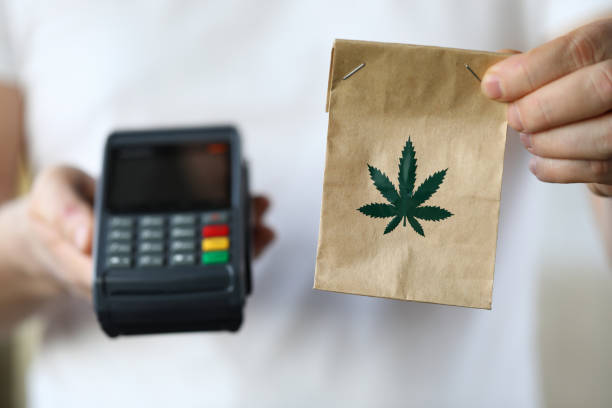
When discussing cannabis-related businesses, people often use the terms “marijuana store” and “cannabis dispensary” interchangeably. However, there are distinct differences between the two in terms of purpose, offerings, and regulatory oversight. Understanding these differences is essential for consumers navigating the cannabis marketplace.
Purpose and Focus
- Marijuana Store:
A marijuana store is often a broad term used to describe any retail location where cannabis products are sold. These stores may vary in professionalism, product selection, and licensing depending on the jurisdiction in which they operate. - Example: Some marijuana stores may focus solely on recreational cannabis.
- Others may operate informally without adhering to strict regulatory frameworks.
- Cannabis Dispensary:
A cannabis dispensary is typically a licensed and regulated establishment that adheres to specific legal standards set by local or state governments. These establishments aim to provide both medical and recreational users with high-quality products while ensuring safety and compliance with the law.
Types of Cannabis Dispensaries
- Focused on serving patients with medical conditions.
- Require a medical marijuana card or doctor’s recommendation for purchases.
- Products are tailored toward therapeutic needs (e. g. , CBD-dominant strains for pain relief).
- Cater to adult-use consumers aged 21 or older.
- Offer a wide range of products designed for enjoyment rather than strictly medicinal purposes.
- No medical recommendation required for purchase.
| Feature | Marijuana Store | Cannabis Dispensary |
| Regulatory Oversight | Varies; not always regulated | Strictly licensed and regulated |
| Product Quality | Inconsistent | High-quality, lab-tested |
| Focus | Recreational (often informal) | Medical, recreational, or both |
| Consumer Guidance | Limited | Expert staff available |
Product Selection Differences
- Marijuana stores may offer inconsistent product availability due to less stringent supply chain practices.
- Licensed dispensaries provide precisely labeled products with accurate information about cannabinoids (THC/CBD levels), terpenes, and intended effects.
- Many dispensaries also carry niche items like tinctures, topicals, edibles, capsules, concentrates, vape cartridges, seeds, and even educational materials.
Staff Expertise
In a cannabis dispensary:
– Staff members are often trained as “budtenders” who can guide customers through product options based on their needs (e. g. , sleep support or pain relief).
– Medical dispensaries employ knowledgeable professionals who work closely with patients seeking therapeutic benefits from cannabis.
Marijuana stores might lack this level of expertise since they aren’t always held to high operational standards.
Why This Distinction Matters for Consumers
Understanding whether you are visiting a marijuana store or a licensed cannabis dispensary can impact your overall purchasing experience by influencing factors such as:
1.Safety:Lab-tested products ensure customers consume safe and uncontaminated items. 2.Compliance:Licensed dispensaries comply fully with laws concerning age restrictions and purchase limits. 3.Customer Support:Trained professionals at dispensaries help demystify complex concepts around dosages or strain selection.
By recognizing these key distinctions between marijuana stores and cannabis dispensaries, consumers can make informed choices that align with their preferences while adhering to legal standards in their region.
Exploring the Impact of a Park Slope Dispensary on Modern Society
Cannabis dispensaries have become a cornerstone of modern society, playing a crucial role in reshaping perceptions around cannabis use and providing access to regulated products. With the ongoing legalization of cannabis across various regions, dispensaries contribute to numerous aspects of public health, local economies, and social dynamics.
Your Go-To Park Slope Weed Store for Safe Access
One of the primary roles of cannabis dispensaries is offering safe and regulated access to cannabis products.
- Quality-Controlled Products: Licensed dispensaries must adhere to strict testing standards, ensuring that products are free from harmful contaminants like pesticides or mold.
- Accurate Information: Professional staff at dispensaries are trained to educate customers on product options, dosages, and consumption methods.
- Diverse Product Options: Dispensaries typically offer an array of products such as flower, edibles, tinctures, concentrates, topicals, and more.
By offering these services under strict regulation, dispensaries reduce reliance on unregulated markets where product safety and quality may be inconsistent.
Discover the Trusted Park Slope Cannabis Shop for Medical Patients
Dispensaries also play a crucial role in supporting patients who rely on medical cannabis for symptom relief. Patients often consult with knowledgeable staff who can guide them toward products tailored to treat specific conditions like chronic pain, anxiety, or epilepsy.
- Offering high-CBD strains or low-THC options for those seeking therapeutic benefits without psychoactive effects.
- Providing information about dosage forms suited for different medical needs (e. g. , sublingual oils for rapid absorption).
- Ensuring discounted pricing programs for patients with a valid medical card.
Economic Contributions
The rise of cannabis dispensaries has significantly impacted local and national economies. Their presence generates tax revenues while creating jobs across various fields such as retail management, supply chain logistics, marketing, and agriculture.
In 2022 alone: | Economic Factor | Impact| |—————————|————————————–| | Tax Revenues Collected | Over $4 billion in U. S.
These economic benefits often lead communities to embrace dispensary establishments as valuable contributors.
De-Stigmatizing Cannabis Use
Dispensaries contribute significantly to normalizing discussions around responsible cannabis use by fostering transparency and education within their operations.
- Dispensary environments are designed to feel professional and welcoming.
- Many retailers host educational campaigns or workshops aimed at dispelling myths surrounding consumption.
This normalization has gradually shifted societal views on cannabis from taboo toward acceptance as part of wellness or recreational culture.
Advocacy & Social Equity
Beyond their commercial function, many cannabis dispensaries actively engage in advocacy efforts addressing broader issues like social equity within the industry.
- Partnering with nonprofits focused on expungement programs for nonviolent cannabis-related convictions.
- Implementing diversity hiring practices that prioritize representation from communities historically impacted by criminalization policies.
- Supporting local organizations addressing public health concerns linked to substance misuse prevention.
How to Choose the Right Cannabis Dispensary for Your Needs
Selecting the right cannabis dispensary can enhance your overall experience, ensuring you find quality products and knowledgeable service in a safe and welcoming environment.
Location and Accessibility
- Proximity to Home or Work:Look for a dispensary that is conveniently located near you, saving time and reducing transportation costs.
- Online Ordering Options:Many dispensaries now offer online pre-ordering, allowing you to browse products and pick them up quickly.
- Parking and Accessibility:Consider whether the dispensary has ample parking or is easily accessible by public transit. Additionally, check if the store accommodates individuals with disabilities.
Quality of Products
The quality of cannabis can vary greatly between dispensaries.
– Lab Testing:Ensure that the dispensary provides lab-tested products with detailed information about THC, CBD levels, and potential contaminants.
– Variety:Look for a broad selection of strains (indica, sativa, hybrid), edibles, topicals, tinctures, concentrates, or other items to meet your needs.
– Freshness:High-quality cannabis should have vibrant colors and a pleasant aroma. Avoid products that seem dry or overly crumbly.
Knowledgeable Staff
A strong indicator of a good dispensary is well-informed staff who can help guide you through their offerings:
– Customer Education:Budtenders should be able to explain how different strains work and recommend suitable options based on your preferences or medical needs.
– Transparency:Staff should openly discuss product sourcing methods while addressing any questions about growing processes or ingredients used in edibles and concentrates.
Pricing and Discounts
Cannabis pricing varies depending on product type, potency, brand reputation, and applicable taxes:
– Compare prices at multiple dispensaries to ensure you’re getting good value without compromising on quality.
– Seek out promotions like first-time customer discounts or loyalty programs offering benefits like free products after several purchases.
| Product Category | Average Price Range (USD) | Notes |
| Flower | $10-$20 per gram | Prices depend on strain potency & availability |
| Edibles | $15-$50 per package | Dosage impacts cost |
| Concentrates | $30-$70+ per gram | Higher-quality options may cost more |
Legal Compliance
Always choose a licensed cannabis dispensary operating in compliance with state laws:
1. Verify licensing details online through regulatory agency websites if they’re publicized by law locally. 2 . Check strict adherence regarding ID verification every time customers enter onsite premises .

Exploring the Products and Services Offered by Cannabis Dispensaries
Cannabis dispensaries have evolved into comprehensive hubs for cannabis enthusiasts and medical patients alike. They offer a wide array of products and services tailored to meet different needs, preferences, and legal requirements. Understanding what these establishments offer is key to making informed decisions about your cannabis purchases.
Types of Cannabis Products Available
Dispensaries provide a variety of cannabis products catering to diverse consumption methods and desired effects.
- Dried cannabis flower is the most traditional form of cannabis.
- Strains are typically categorized as indica, sativa, or hybrid.
- THC and CBD percentages are clearly labeled for consumer guidance.
- Includes products like wax, shatter, resin, and oil.
- Known for their potency, concentrates are ideal for experienced consumers seeking stronger effects.
- Cannabis-infused food items such as gummies, chocolates, beverages, or baked goods.
- Offer discreet consumption options with dosage clearly indicated on packaging.
- Liquid cannabis extracts designed for sublingual administration or mixing with food/beverages.
- Available in various THC:CBD ratios to suit different needs.
- Creams, balms, lotions, or patches containing cannabinoids like THC or CBD.
- Primarily used for localized pain relief without psychoactive effects.
- Pre-filled cartridges compatible with vape pens or disposable vaporizers containing concentrated oils.
- Ready-to-smoke joints available in different strains and sizes.
- CBD Products (Non-Psychoactive Options)
- Includes oils, tinctures, capsules, and topical creams derived from hemp plants with low THC content.
| Product Category | Examples | Key Benefits |
| Flower | Indica/Sativa strains | Traditional option; customizable use |
| Concentrates | Wax/Shatter/Oils | High potency; fast-acting |
| Edibles | Gummies/Chocolates | Discreet; long-lasting effects |
| Tinctures | CBD/THC blends | Precise dosing; versatile usage |
| Topicals | Lotions/Balms | Localized relief; non-psychoactive |
Additional Services Offered by Dispensaries
- Educational Resources:Staff often educate customers on product types and their effects.
- Guidance for New Users:Budtenders assist those new to cannabis in choosing the right products based on goals and tolerance levels.
- Medical Consultations:Some dispensaries employ specialists who can advise on medical usage.
- Delivery Services:Many offer home delivery options for added convenience.
- Loyalty Programs:Regular customers can benefit from discounts or reward points.
- Community Events:Workshops or educational sessions that promote awareness about responsible cannabis use may also be hosted.
Why Variety Matters
The range of products available at dispensaries ensures that all consumers—whether recreational users seeking relaxation or patients needing targeted relief—can find something that suits them. This variety fosters an inclusive environment where individuals with unique needs feel supported in their choices.
Exploring the offerings at a licensed dispensary opens up opportunities to discover new ways of integrating cannabis into your lifestyle while prioritizing safety and quality control measures provided through regulated channels. These establishments continue to shape how cannabis is perceived as they deliver diverse solutions tailored to modern consumer demands.
The Evolution of Cannabis Dispensaries: From Illegality to Legitimacy
The path of cannabis dispensaries from operating in the shadows to becoming legitimate businesses is a fascinating journey of societal, legal, and cultural transformation. Over the decades, shifting public perceptions and evolving regulatory frameworks have allowed dispensaries to transition into respected establishments in many regions.
Early Days: The Shadow Market
In earlier decades, cannabis was strictly prohibited in most parts of the world. This led to an unregulated black market where people could only acquire cannabis through illicit means. These operations were often risk-laden for both sellers and buyers due to the criminalization of marijuana possession and distribution.
- Lack of product safety or quality assurance.
- No accountability for proper labeling, dosage, or contaminants.
- Criminal penalties for those caught selling or purchasing.
The Medical Marijuana Movement
The late 20th century witnessed a pivotal shift with an increasing recognition of cannabis’s medicinal potential. California became the first state in the United States to legalize medical marijuana with Proposition 215 in 1996. This marked a turning point where licensed dispensaries began operating semi-legally under state law but often faced federal challenges.
- Focus on providing cannabis to patients with qualifying medical conditions.
- Growth in advocacy movements promoting marijuana’s therapeutic benefits.
- Gradual establishment of regulations for dispensary operations within states.
Legalization for Recreational Use
The modern era began with Colorado and Washington legalizing recreational marijuana use in 2012. This move signified a monumental cultural shift toward viewing cannabis as both a medicinal asset and a recreational product akin to alcohol. Today, many states and countries have followed suit by implementing frameworks for legal sales.
- Development of rigorous licensing requirements for dispensaries.
- Implementation of taxation systems generating significant government revenue.
- Introduction of age restrictions and ID verification processes for consumers.
What Legitimacy Looks Like Today
Licensed dispensaries now operate as professional establishments that adhere to strict compliance standards. They are subject to local and federal regulations (where applicable) that ensure quality, safety, and transparency throughout their operations.
| Aspect | Regulation Example |
| Product Testing | Mandatory testing for potency & purity |
| Labeling Requirements | Clear THC/CBD levels & ingredient lists |
| Security Measures | Surveillance cameras & controlled access |
| Employee Training | Knowledgeable staff certified by training programs |
Additionally, these businesses often focus on fostering community relationships through educational outreach programs about responsible usage and health benefits.
Challenges Alongside Progress
Despite progress, challenges persist—particularly surrounding inconsistent global policies. Some regions continue criminalizing marijuana possession while others embrace its economic potential through legalization efforts.
- Banking remains an issue due to federal restrictions in regions like the U. S.
- Social equity concerns highlight disparities in who gets access to licenses or benefits from legalization efforts.
The evolution from illegality to legitimacy reflects how perceptions toward cannabis are continuing to change—and how dispensaries have adapted within these emerging landscapes.
Navigating Legal Regulations in the Cannabis Dispensary Industry
Understanding and adhering to legal regulations is a fundamental aspect of operating or engaging with cannabis dispensaries. With laws varying across regions, it’s important for businesses and consumers to remain informed about the rules governing the cannabis industry. Below is an overview of key considerations when navigating these legal frameworks.
Understanding Federal vs. State
- Federal Law: Cannabis remains classified as a Schedule I substance under the Controlled Substances Act, meaning it is illegal at the federal level, even in states where its use is legalized.
- State Law: Many states have legalized cannabis for medical use, recreational use, or both, creating a patchwork of regulations that businesses and consumers must navigate.
It’s crucial for dispensary operators to fully understand both sets of laws to mitigate risks while ensuring legal compliance. Consumers should also familiarize themselves with their state’s specific cannabis policies before purchasing or consuming products.
Licensing and Permits
For dispensaries to operate legally, obtaining proper licensing is non-negotiable.
- Retail Licenses: Permits enabling businesses to sell cannabis products directly to consumers.
- Cultivation Licenses: For dispensaries that grow their own supply, additional permits are required.
- Transportation Licenses: These may be needed if goods are moved between suppliers and retail locations.
Licensing processes vary by jurisdiction but typically involve background checks, inspections, and ongoing compliance monitoring.
| License Type | Purpose | Example Requirements |
| Retail License | Sell finished products | Proof of location approval; application fee |
| Cultivation License | Grow cannabis plants | Environmental impact assessments |
| Transportation License | Move inventory between locations | Tracking systems like seed-to-sale software |
Compliance with Operational Regulations
Dispensaries must adhere to strict operational guidelines that ensure safety and transparency.
- Use of seed-to-sale tracking software is often mandated.
- Ensures accountability from cultivation through final sale.
- States require consumers to be 21 or older for recreational purchases (18+ for medical use in certain cases).
- Dispensaries must verify identification before completing transactions.
- Clear labeling with THC/CBD content levels.
- Warnings about potential effects or risks are typically required.
- Installation of surveillance systems.
- Restricted access areas within facilities.
Taxation Implications
- Excise Taxes: Applied at either a flat rate or as a percentage of sales price.
- Sales Taxes: Added at point-of-sale like other consumer goods.
- Both taxes contribute to state revenue but can lead to higher costs for consumers compared to unregulated markets.
Challenges in Cross-State Transactions
Since interstate commerce involving cannabis remains illegal under federal law, individuals cannot transport products across state lines—even between two states where it’s fully legalized. This presents unique challenges for businesses seeking expansion into multiple regions and underscores why staying informed about local laws is essential.
By understanding these legal intricacies, businesses can build trust with customers while avoiding costly fines or penalties associated with non-compliance. Similarly, consumers who educate themselves on these regulations will be better equipped to make safe and lawful purchases within this evolving industry landscape.

The Benefits of Purchasing from Licensed Cannabis Dispensaries
The cannabis industry has grown rapidly in recent years, but not all sources of cannabis products are created equal. Purchasing from licensed cannabis dispensaries offers a range of benefits that enhance safety, quality, and the overall customer experience. Below, we’ll explore the key advantages that make licensed dispensaries the preferred choice for consumers.
Licensed dispensaries are required to adhere to strict regulations and quality standards set by governing bodies.
- The THC and CBD levels indicated on product labels are accurate.
- Products meet safety requirements for human consumption.
- Packaging is tamper-proof and child-resistant.
This level of oversight is absent in unregulated markets, where the risk of unsafe or mislabeled products is significantly higher.
One of the key benefits of visiting a licensed dispensary is access to knowledgeable staff who can guide you in selecting products that meet your specific needs.
- Help you choose between different strains (e. g. , indica, sativa, hybrid).
- Explain how various consumption methods (e. g. , smoking, edibles, tinctures) work.
- Recommend appropriate dosages based on your experience level or desired effects.
This personalized support can be especially valuable for first-time users or those seeking relief for medical conditions.
Purchasing cannabis from a licensed dispensary ensures you are abiding by state laws and regulations regarding marijuana use. This provides peace of mind for consumers who want to avoid potential legal risks associated with buying from unlicensed sources.
- Transactions at licensed dispensaries are recorded properly for tax compliance.
- Licensed businesses operate transparently under regulatory oversight.
By choosing a legitimate source, you’re contributing to the normalization and legitimacy of the cannabis industry.
Licensed dispensaries offer an extensive range of high-quality products tailored to various preferences and needs.
| Product Type | Examples |
| Flower | Indica strains, Sativa strains |
| Edibles | Gummies, chocolates |
| Concentrates | Wax, shatter |
| Topicals | Lotions, balms |
| Tinctures | Sublingual oils |
Having access to such variety allows consumers to explore different options with confidence in their quality and potency.
Supporting licensed dispensaries contributes positively to local economies through job creation and tax revenue generation. Taxes collected help fund public services such as education and infrastructure improvements.
- You’re helping sustain jobs within compliant businesses.
- Communities benefit from increased economic activity around legalized cannabis sales.
Final Thoughts
Opting for licensed cannabis dispensaries goes beyond just acquiring high-quality products; it’s about making informed decisions that prioritize safety while supporting responsible business practices within this growing industry sector. Whether you’re a recreational user or someone exploring medicinal applications for cannabis, choosing regulated sources ensures an experience grounded in reliability and transparency.
The Benefits of Purchasing from Licensed Cannabis Dispensaries
As the cannabis industry continues to grow, so does the importance of making informed purchasing decisions. Opting to buy from licensed cannabis dispensaries offers several advantages that go beyond simply obtaining quality products. Below, we explore the key benefits customers can expect when choosing a licensed dispensary.
Guaranteed Product Safety and Quality
Licensed cannabis dispensaries are required to comply with strict regulations designed to ensure product safety and quality.
- Third-party lab testing:Products sold must be tested for potency, contaminants, pesticides, and other harmful substances.
- Accurate labeling:Details such as THC/CBD content, ingredients, and recommended usage guidelines are clearly stated on packaging.
- Proper storage:Licensed dispensaries adhere to guidelines for storing cannabis products in a way that preserves their potency and prevents contamination.
By purchasing from a licensed dispensary, you can have confidence in the integrity and safety of the products you’re consuming.
Access to Expert Guidance
Licensed dispensaries employ knowledgeable staff who can assist you in selecting products tailored to your specific needs or preferences. This is particularly beneficial for individuals new to cannabis or those seeking therapeutic options for medical purposes.
- Providing recommendations based on product effects (e. g. , relaxation vs. energy).
- Educating customers about consumption methods such as smoking, vaping, edibles, or tinctures.
- Clarifying dosage levels to ensure safe use.
This personalized approach ensures you make well-informed decisions while exploring the wide range of available options.
Legal Protection and Compliance
When you purchase cannabis from a licensed dispensary, you’re conducting your transaction within the boundaries of state or local laws.
- Legal penalties:Unlicensed sales carry significant legal risks for both buyers and sellers.
- Unverified products:Without regulation, there is no guarantee about what goes into untested and unlabeled products.
Furthermore, supporting legal dispensaries helps bolster the legitimate cannabis industry while discouraging illegal operations.
Wide Variety of Products
Licensed cannabis dispensaries typically offer an extensive menu of high-quality items designed to meet various consumer preferences.
| Product Type | Examples |
| Flower | Indica strains, Sativa strains |
| Concentrates | Wax, Shatter, Resin |
| Edibles | Gummies, Chocolates |
| Topicals | Creams, Balms |
| Tinctures | CBD oils with customizable dosages |
This variety ensures that customers find options suited for recreational enjoyment or therapeutic relief.
Supporting Local Communities
Purchasing from licensed dispensaries contributes positively to local economies by creating jobs and generating tax revenue for public programs like education or infrastructure development. Many legitimate businesses also participate in community outreach efforts by supporting social initiatives related to health education or expungement programs for past minor cannabis-related offenses.
Final Thoughts: Why Licensing Matters
Purchasing from a licensed cannabis dispensary is not just about ensuring access to safe and effective products; it also plays an integral role in fostering responsible growth within this emerging industry. By prioritizing transparency, compliance with legal standards, expert guidance, diverse product selection, and community benefits — these establishments provide a trusted solution for consumers navigating today’s evolving cannabis market.
- Exploring the Park Slope Weed Store: Purpose and Function of Marijuana Dispensaries
- Park Slope Dispensary vs. Smoke Shops: Understanding the Differences and Benefits
- Exploring the Unique Features of a Park Slope Marijuana Dispensary
- Exploring the Differences Between a Park Slope Marijuana Dispensary, Cannabis Store, and Marijuana Store
- Park Slope Dispensary vs. Smoke Shop: Understanding the Key Differences and Why It Matters
- Understanding the Difference Between a Park Slope Marijuana Dispensary and a Smoke Shop